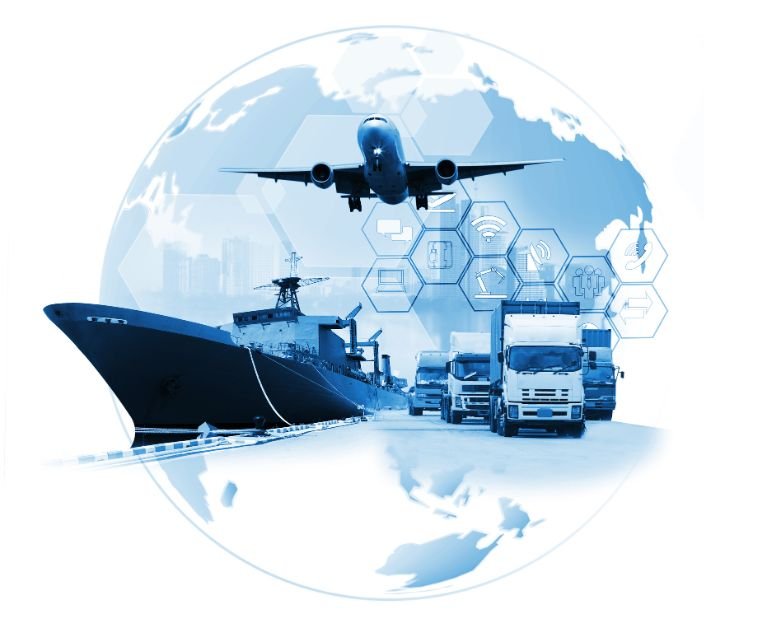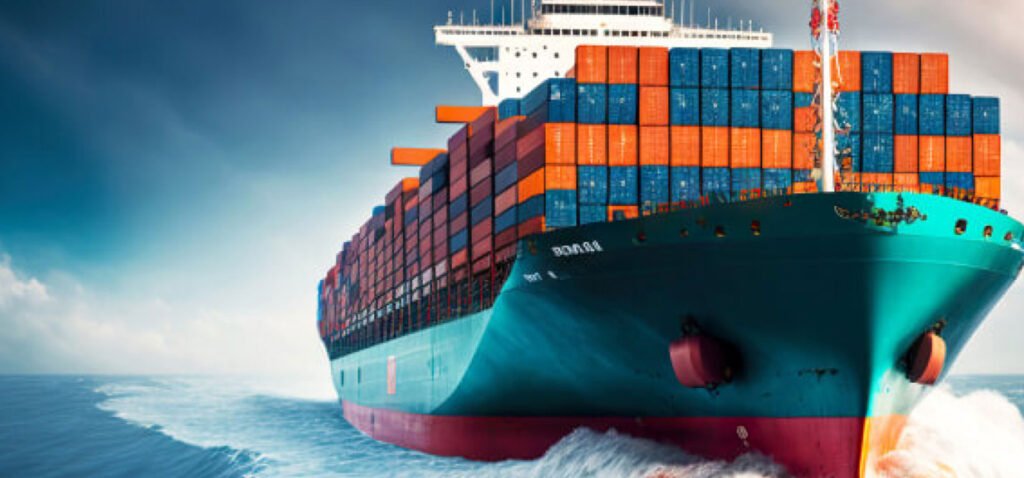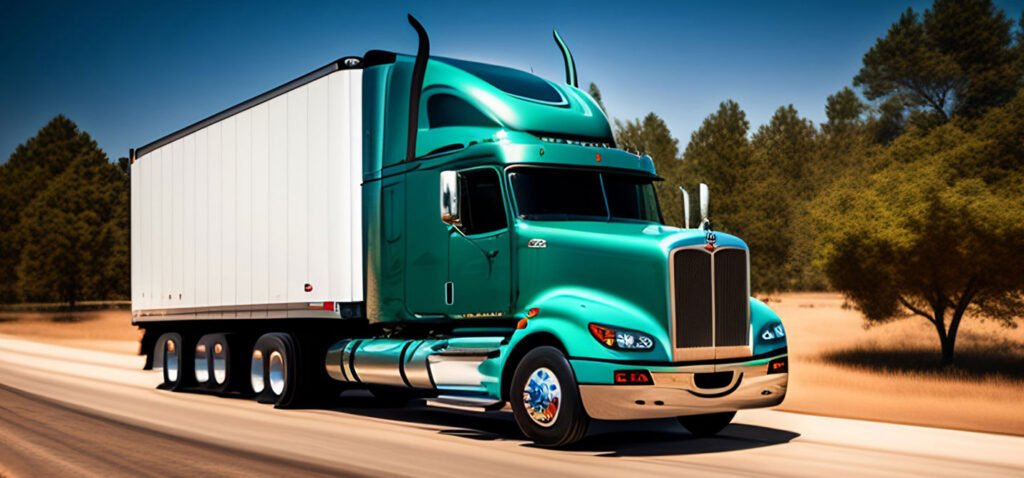
We Collect
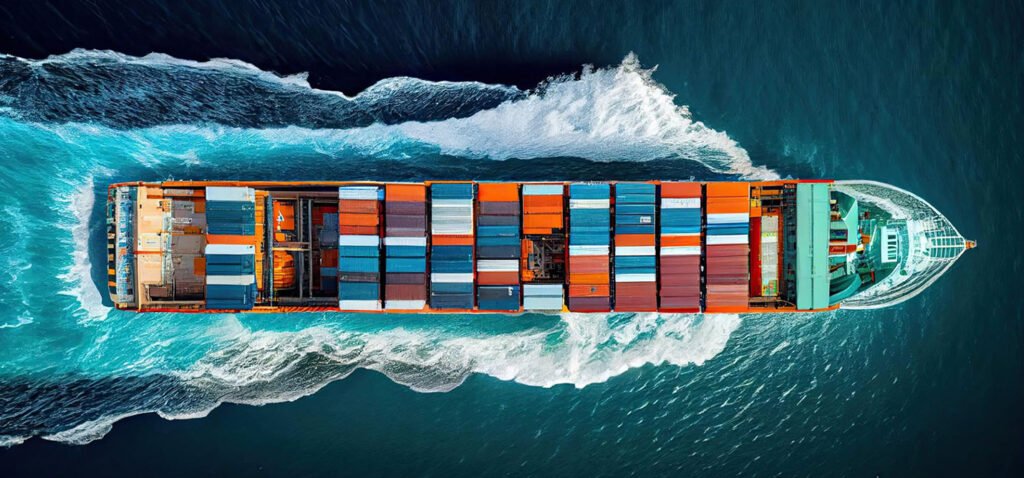
We Store
We Ship Door To Door
We Collect
We Store
We Ship Door To Door
At Maroc Global Logistics, we believe logistics is about more than moving goods — it’s about building relationships. Kindness, respect, and empathy are at the heart of how we work. This people-first approach allows us to deliver reliable solutions that help businesses grow and thrive.
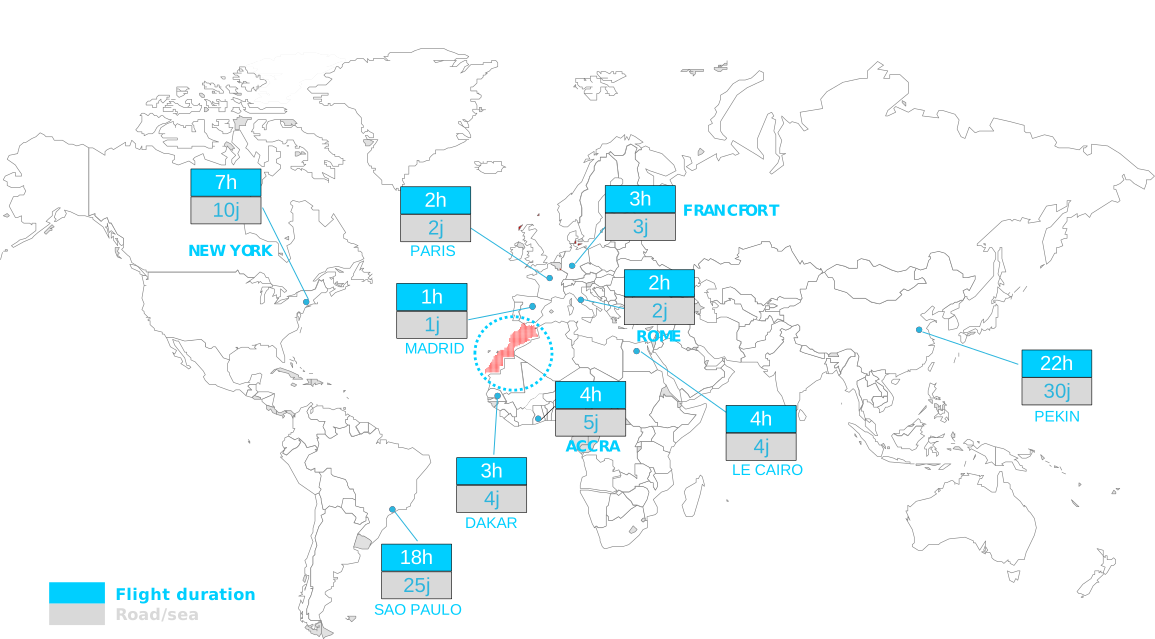
Morocco, Your Golden Gate to Africa :
Situated at the northern tip of Africa, bordering the Atlantic Ocean and the Mediterranean Sea, Morocco provides a natural and convenient entry point into the broader African continent. Morocco doesn't have a single age, but rather a history with different significant starting points: the earliest human habitation was around 300,000 years ago. The region's recorded history began with the Phoenicians around 1000 BCE, while the formation of the first Moroccan-based kingdom under the Idrisid dynasty was in 788 CE, making the modern Moroccan state over 1,200 years old. Morocco serves Europe; Africa, the Middle East, and other countries as a regional Hub for trade, warehousing, redistribution, manufacturing, sales and a variety of IT services.
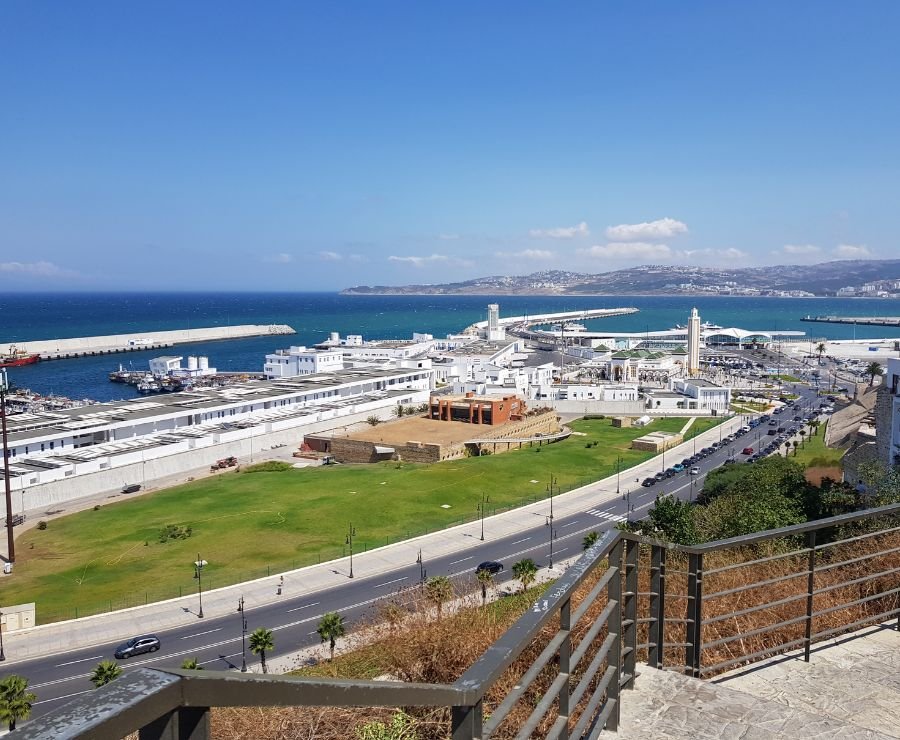
It is well located to transport cargo between the Americas, Africa, and the Mediterranean because of the Morocco's transportation infrastructure. Much of the Morocco infrastructure projects are provided by Tangier's Huge Harbor, Tanger Med
From startups to global corporations, businesses choose Maroc Global Logistics because we combine world-class logistics expertise with a personalized, people-first approach.
We don’t just move products — we move businesses forward.
Behind every product that arrives on time—whether it’s a car part, a container of coffee beans, or your latest online purchase—there’s a freight forwarder making it happen.
Freight forwarding is more than just moving cargo from point A to point B. It’s about navigating customs regulations, optimizing routes, managing risks, and ensuring that global supply chains keep flowing, no matter the challenge.
As trade becomes increasingly complex and customers expect faster, more transparent delivery, the role of the freight forwarder is evolving. We’re not just logistics partners—we’re supply chain strategists, problem-solvers, and global connectors.
To all the professionals working behind the scenes in freight forwarding : your work drives the world economy.
Many new exporters think a 40 ft is “double” of a 20 ft.
But the reality is different:
📦 20 ft Container
Internal space: ~33 cubic meters
Max cargo weight: ~28–29 MT (heavier cargo fits better)
Best for: Heavy commodities (like minerals, machinery parts, rice, sugar, metals) where weight maxes out before volume.
Cost: About 70–80% of a 40 ft, not half.
📦40 ft Container
Internal space: ~67 cubic meters (almost double the volume of a 20 ft)
Max cargo weight: ~28–29 MT (same weight as 20 ft, but more space)
Best for: Light but bulky cargo (like furniture, cotton, textiles, plastic goods) where volume maxes out before weight.
Cost: About 120–130% of a 20 ft, but gives double space.
⚖️ Key takeaway:
Heavy cargo → 20 ft
Bulky cargo → 40 ft
As freight forwarders, we help exporters choose the right container — because the wrong choice can mean extra cost or wasted space
Yes. We specialize in both domestic and international logistics. Our global network allows us to manage air, sea, and land freight efficiently while handling all customs and documentation requirements.
In a finished goods warehouse, knowing your CBM is essential for maximizing container space and avoiding unexpected freight costs.
🔹 CBM Formula
CBM = (Length × Width × Height in cm) ÷ 1,000,000
🔹 Example Calculation
Carton Dimensions:
📏 Length = 60 cm
📐 Width = 40 cm
📏 Height = 30 cm
Per carton CBM:
➡️ (60 × 40 × 30) ÷ 1,000,000 = 0.072 CBM
For 500 cartons:
0.072 × 500 = 36 CBM
🔹 Useful Benchmarks
🚢 20 ft container = 28–30 CBM
🚛 40 ft container = 58–60 CBM
📦 40 ft HQ container = 68–70 CBM
🔍 Why CBM Matters
✅ Freight cost is charged based on CBM or weight—whichever is higher
✅ Prevents overbooking or under-utilizing containers
✅ Crucial for shipment planning, sea vs air decisions, and freight booking
Whether you’re new to international shipping or already part of the supply chain ecosystem, it’s crucial to understand the difference between:
Shipping Lines
NVOCC (Non-Vessel Operating Common Carrier)
Freight Forwarders
Each plays a unique role in moving cargo across the globe. From owning vessels and containers to handling consolidation and issuing different types of Bills of Lading (B/L), this visual makes it easy to differentiate them